2026-10-16
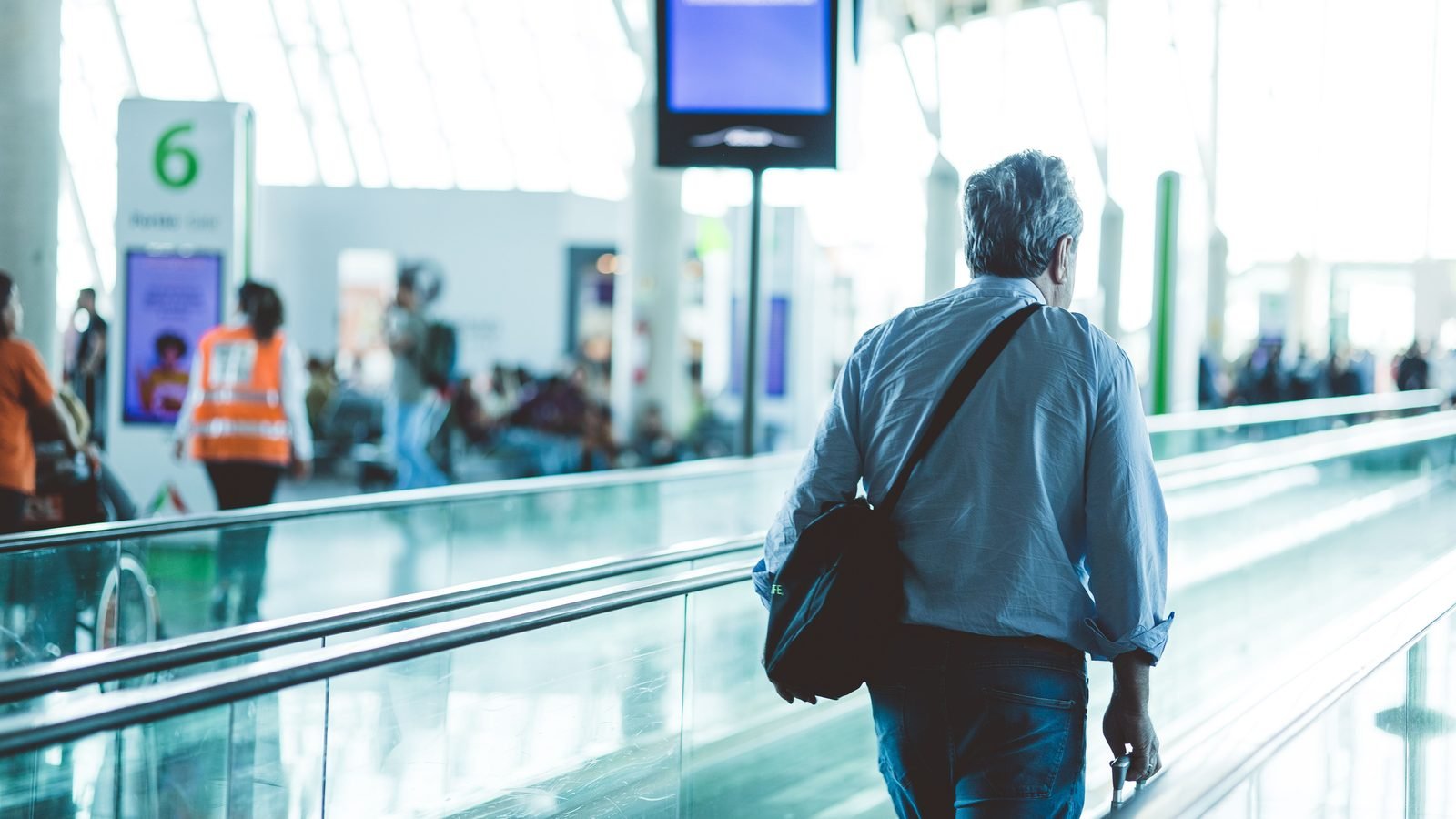
Image: Rafael Rodrigues / Pexels · Pexels License
The EU's air passenger rights rules are changing for the first time in twenty years. Much of the coverage suggests things change "now". Here is what the adopted law actually says – and above all, from when.
Three dates not to confuse
Publication – 2 October 2026: Regulation (EU) 2026/2202 was published in the Official Journal of the EU.
Entry into force – 22 October 2026: on the twentieth day after publication the regulation becomes part of EU law.
Date of application – 23 October 2027: twelve months after entry into force the new rules actually apply to flights.
Most important: until 23 October 2027, today's rules apply. If your flight is delayed or cancelled now, rely on the current Regulation (EC) No 261/2004 and the case law of the Court of Justice.
Compensation – what stays and what gets clearer (from 23 October 2027)
The amounts stay: €250 for journeys of 1,500 km or less; €400 for intra-EU journeys over 1,500 km and other journeys between 1,500 and 3,500 km; €600 for all other journeys.
A delay at arrival of more than three hours gives a right to compensation. Today this rests on court rulings; from 2027 the regulation itself says so.
On journeys over 3,500 km the airline may reduce the €600 by 50% if arrival is no more than four hours later than originally scheduled – also when it offers later rerouting and arrival is still within four hours.
Extraordinary circumstances that exempt the airline from compensation will be set out in a list in the regulation, which should mean fewer disputes.
Information within 96 hours
If you may be owed compensation, the airline must tell you within 96 hours of the end of your journey, electronically and on a durable medium, about your right and how to submit a claim. You don't have to find out yourself.
Rerouting: if there is no offer within three hours
If you choose to continue your journey and the airline does not offer rerouting under comparable conditions within three hours, you may arrange it yourself – you must inform the airline. Necessary, reasonable and appropriate costs must be reimbursed up to 400% of the ticket price.
No-show: you keep your return flight
You cannot be refused boarding on the return flight because you did not take the outbound flight on the same booking. No fee may be charged for this.
Personal item and hand baggage – precisely
The regulation distinguishes two things. Personal item: maximum 40 × 30 × 15 cm, or it fits under the seat in front of you. The airline must allow it in the cabin at no extra cost.
Hand baggage, for example a trolley bag: the airline must allow it subject to cabin capacity. The regulation does not require it to be free of charge. Fares including hand baggage must be shown by default before booking starts; cheaper fares without hand baggage remain possible.
If safety, capacity or a change of aircraft prevents carriage in the cabin, the bag can go in the hold at no extra cost.
What to do now
For delays or cancellations today, claim under the current rules. Flights from 23 October 2027 will fall under the new rules. The full text is on EUR-Lex: Regulation (EU) 2026/2202.
This article is for information only and is not legal advice.