2026-10-21
Image: Tony Webster / Wikimedia Commons · CC BY-SA 2.0
In short
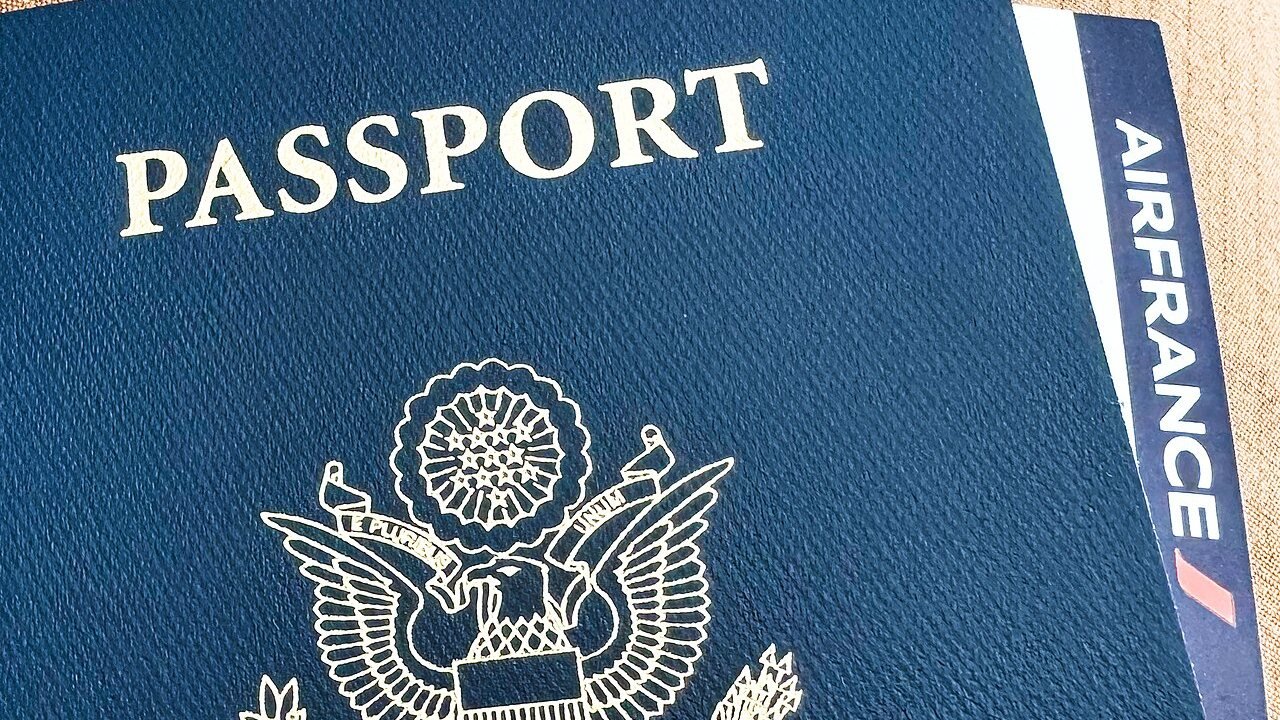
- Within Schengen a valid ID card or passport is enough; beyond it you usually need a passport.
- Many countries require minimum validity and blank pages on entry; check the destination’s official page.
- Keep copies offline and in the cloud, separate from the originals.
What you need where
- Between Schengen countries a valid ID card or passport is enough; temporary border checks can occur, so always carry it.
- Outside the EU and Schengen you usually need a passport and often a visa or prior authorisation. The UK, for example, requires an electronic travel authorisation (ETA) from EU citizens; check gov.uk.
- If you travel to the EU on a non-EU passport, check the official EES and ETIAS information.
- With children: each child needs their own document, and some countries ask for parental consent when only one parent travels.
Before you go
Check expiry dates well before the trip, since a new passport takes time. Photograph your documents, insurance policy and bookings and keep them offline and in an encrypted cloud folder.
If a document is lost
Report it to the police and contact your country’s embassy or consulate, which can issue an emergency travel document if needed. Copies and booking details speed everything up.
Checklist
- Expiry and blank pages checked?
- Visa/ETA arranged if required?
- Copies offline and in the cloud?
Reviewed: 2026-10-21.