2026-10-21
Image: Silver Dovelet / Wikimedia Commons · CC BY-SA 4.0
In short
- Not the commission but the total you receive counts: the rate is what matters.
- A city bank or reputable exchange desk beats the airport kiosk; start with a small amount.
- Cash of €10,000 or more must be declared when crossing the EU border.
What to measure the rate against
The European Central Bank publishes euro reference rates every working day. It is not the rate you will get, but it is a good yardstick: the further the offer is from it, the more the exchange costs you.
A “0% commission” sign often just means the cost is built into the gap between buy and sell rates. Before you agree, ask exactly how much money you will receive for what you hand over.
Where to change, where not to
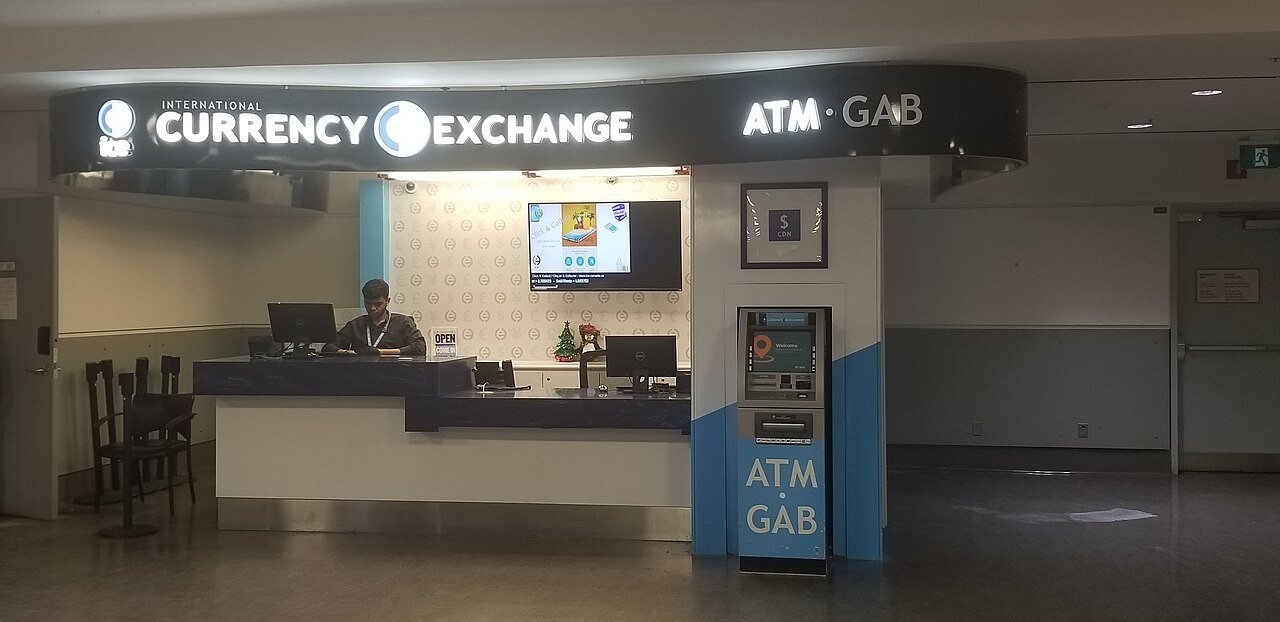
- Airport and tourist-area kiosks are convenient but usually give worse rates; change only what you need to get going.
- A bank branch or long-established exchange office: read the posted buy and sell rates and ask for a receipt.
- Street changers: avoid them. Count the notes at the counter before you leave.
- Some currencies (the Moroccan dirham, for example) are subject to export limits and are hard to change back; check the country’s central-bank rules before you exchange.
How much cash is enough
In the eurozone and most big cities cards are the norm, but keep some cash for taxis, markets, tips and smaller places. Cash of €10,000 or more (or the equivalent) must be declared when you enter or leave the EU.
Checklist
- Checked today’s reference rate?
- Asked for the total you receive and all fees?
- Receipt kept, notes counted?
Reviewed: 2026-10-21.